
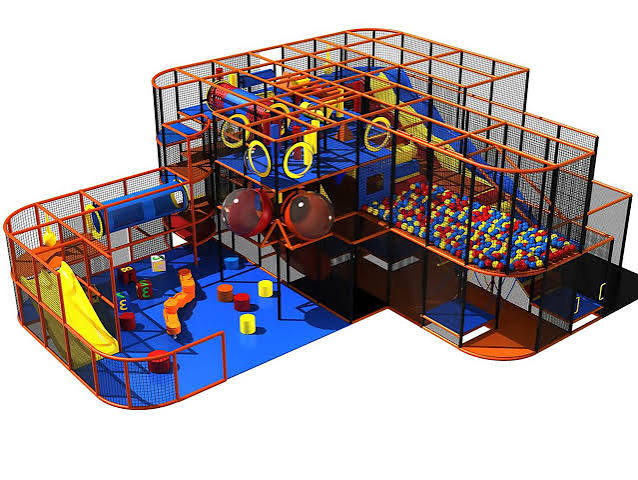
Creating an exciting environment where children can play, move, explore, and interact is an important goal for schools, family entertainment centers, childcare facilities, and recreational spaces. Well-designed indoor playground equipment can transform an ordinary indoor indoor playground equipment area into a colorful and engaging destination where children can stay active while developing valuable physical and social skills. From climbing structures and slides to tunnels and interactive play elements, indoor playgrounds offer many opportunities for children to enjoy active play in a controlled environment.
Encouraging Children to Stay Active
Children naturally enjoy movement, but modern lifestyles can sometimes reduce the amount of time they spend participating in physical activities. Indoor playgrounds provide an attractive alternative by turning exercise into an enjoyable experience.
Climbing walls, ladders, bridges, slides, and obstacle courses encourage children to walk, climb, crawl, balance, and jump. Instead of feeling like structured exercise, these activities become part of an exciting play adventure. Regular active play can help children develop coordination, balance, flexibility, and general physical fitness.
Indoor playgrounds are particularly useful during rainy, extremely hot, or cold weather when outdoor play may not be practical. A comfortable indoor environment allows children to remain physically active throughout the year.
Creating Opportunities for Exploration
One of the biggest advantages of an indoor playground is its ability to encourage exploration. Children are naturally curious and enjoy discovering new spaces and activities. A multi-level playground can provide different paths, challenges, and play zones that invite children to explore at their own pace.
Tunnels can create exciting routes between different sections, while bridges and climbing structures can add a sense of adventure. Slides provide an enjoyable way to move between levels, and interactive features can encourage children to investigate how different elements work.
This type of environment can stimulate imagination while allowing children to make choices about how they want to play.
Supporting Physical Development
Active play contributes to children’s physical development in several ways. Different playground activities require different types of movement, giving children opportunities to practice a wide range of physical skills.
Climbing activities can encourage children to use their arms and legs together. Balance beams and bridges can help them practice stability and body control. Slides and crawling tunnels can encourage changes in movement and direction.
By combining these activities within one play area, indoor playground equipment can support the development of gross motor skills while keeping children engaged.
Encouraging Social Interaction
Indoor playgrounds are not only places for physical activity. They can also provide valuable opportunities for children to interact with others.
When children play together, they naturally encounter situations that require communication and cooperation. They may take turns using a slide, work together to complete an obstacle course, or create imaginative games involving multiple participants.
These experiences can help children practice sharing, patience, communication, and teamwork. A thoughtfully designed playground can include open areas where groups can play together as well as smaller spaces for quieter activities.
Inspiring Imaginative Play
A successful indoor playground can become much more than a collection of physical structures. With creative designs and themed elements, it can encourage children to use their imagination.
For example, a playground designed around an adventure theme can inspire children to imagine that they are exploring a jungle, traveling through a mysterious cave, or completing an exciting mission. The equipment itself becomes part of the story.
Imaginative play allows children to create their own games and scenarios. This gives them freedom to experiment with ideas, interact with friends, and develop creative thinking skills.
Designing Different Play Zones
A large indoor playground can benefit from having different zones designed for different activities and age groups. This makes the space more organized and allows children to find activities that match their abilities.
A toddler area might include soft climbing elements, small slides, sensory features, and simple interactive panels. Older children may prefer more challenging climbing structures, obstacle courses, tunnels, and larger slides.
Separate activity zones can also help operators manage the flow of children throughout the facility. When areas are carefully planned, children can move between activities without making the playground feel overcrowded.
The Importance of Safety and Quality
Fun is essential, but safety should always be a major consideration when creating an indoor play environment. High-quality playground structures should be designed with appropriate materials, protective surfaces, secure connections, and suitable dimensions for the intended users.
Soft flooring and padded components can help create a more comfortable environment around active play areas. Equipment should also be inspected regularly to identify signs of wear, loose components, or other maintenance concerns.
The layout should provide appropriate visibility so supervisors can monitor children easily. Clear pathways and well-organized activity zones can further contribute to a safer and more comfortable experience.
Making Indoor Spaces More Attractive
An engaging playground can also change the overall atmosphere of a facility. Bright colors, creative themes, interesting shapes, and interactive features can make an indoor space feel energetic and welcoming.
For commercial entertainment centers, an attractive play area can become a major feature that encourages families to visit. For schools and childcare centers, it can create a more enjoyable recreational environment.
The design can also be customized according to the available space. Compact playgrounds can make effective use of smaller areas, while larger facilities can incorporate multiple levels and a greater variety of activities.
Combining Fun With Learning
Play and learning do not have to be separate experiences. Many playground features can encourage children to develop skills while they are having fun.
Interactive panels can introduce colors, shapes, numbers, and problem-solving activities. Maze-like structures can encourage children to think about routes and directions. Cooperative games can promote communication and teamwork.
This combination of physical movement and mental engagement can make an indoor playground a valuable recreational and developmental environment.
Choosing the Right Playground Design
When planning an indoor playground, several factors should be considered. These include the available floor area, expected number of users, age groups, facility purpose, safety requirements, maintenance needs, and overall design theme.
The best indoor playground equipment should fit the needs of its intended users rather than simply filling the available space. A thoughtful combination of climbing, sliding, balancing, crawling, interactive, and imaginative activities can create a well-rounded play experience.
It is also important to consider accessibility so that as many children as possible can participate in appropriate activities. Careful planning can make the playground more welcoming and functional for families and facility operators.
Creating Memorable Play Experiences
A great indoor playground gives children more than a place to pass the time. It creates an environment where they can move their bodies, explore new challenges, make friends, and use their imagination.
With carefully selected indoor playground equipment, an ordinary indoor area can become a dynamic space filled with opportunities for active and creative play. Whether installed in a family entertainment center, school, childcare facility, or recreational venue, a well-planned playground can provide children with enjoyable experiences while supporting important aspects of their development.
Ultimately, the combination of movement, exploration, imagination, and social interaction makes indoor playgrounds valuable spaces for children. When safety, quality, creativity, and thoughtful design come together, indoor play areas can remain exciting destinations that encourage children to stay active and enjoy learning through play.