
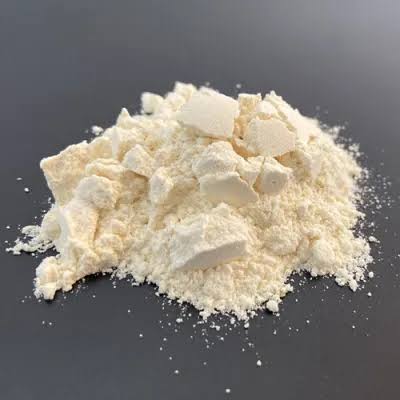
Everyday nutrition is not about finding one ingredient that can transform health overnight. Instead, it is about creating consistent eating habits that provide the body with a broad range of nutrients. Within this balanced approach, certain food ingredients can offer useful nutritional properties and practical benefits. Lecithin powder is one such ingredient that has become popular among people interested in convenient ways to incorporate phospholipids into their diets.
Lecithin is a naturally occurring mixture of phospholipids and other fatty substances found in foods such as soybeans, sunflower seeds, and egg yolks. It is also commonly used as a food ingredient because of its emulsifying properties, which help fats and water blend together. When available in powdered form, lecithin can be easily added to a variety of foods and beverages, making it a convenient option for people who want to diversify their nutritional choices.
Understanding Lecithin and Its Nutritional Role
Lecithin is primarily valued for its phospholipid content. Phospholipids are important components of cell membranes throughout the body. One of the best-known phospholipids associated with lecithin is phosphatidylcholine, which contains choline.
Choline is an essential nutrient involved in several important bodily functions. It contributes to maintaining normal cell structure, supports neurotransmitter production, and participates in lipid transport and metabolism. Although the body can produce some choline, dietary sources remain important for meeting nutritional needs.
It is important, however, to view lecithin as one part of an overall dietary pattern rather than a replacement for nutritious foods. A balanced diet should still emphasize vegetables, fruits, whole grains, legumes, protein-rich foods, healthy fats, and adequate hydration.
Why People Add Lecithin Powder to Their Diet
One reason lecithin powder appeals to consumers is its versatility. Depending on the product, it can be mixed into smoothies, oatmeal, yogurt, sauces, or other foods. This makes it relatively simple to incorporate into an established eating routine.
Lecithin also has an interesting relationship with dietary fats. As a natural emulsifier, it helps disperse fats in liquids and is widely used in food preparation. In the digestive system, dietary fats must be processed and incorporated into structures that allow them to be transported and absorbed. Lecithin’s phospholipids are naturally involved in biological processes related to fats and cell membranes.
However, convenient use should not be confused with a guarantee of a particular health outcome. Nutrition works through the combined effects of dietary patterns, lifestyle habits, genetics, and individual circumstances.
Supporting a Diverse Nutritional Pattern
A balanced approach to nutrition starts with variety. No single food provides everything the body needs, so eating a broad selection of foods is generally more valuable than focusing heavily on one ingredient.
Lecithin powder can fit into this philosophy when it is used alongside nutrient-dense foods. For example, a smoothie containing fruits, leafy greens, yogurt, oats, and a small amount of lecithin can provide carbohydrates, protein, fiber, vitamins, minerals, and healthy fats. Similarly, lecithin may be incorporated into oatmeal or yogurt without replacing the nutritional value of the main ingredients.
This approach keeps the focus where it belongs: on the complete meal rather than the individual supplement or food ingredient.
Lecithin Powder and Healthy Fats
Fats are an essential part of a balanced diet. They provide energy, contribute to cell structure, and help the body absorb fat-soluble vitamins such as vitamins A, D, E, and K.
Lecithin contains phospholipids, which are structurally different from the triglycerides that make up most dietary fats. Phospholipids are important components of biological membranes and participate in numerous physiological processes.
Rather than thinking of lecithin as a replacement for sources of unsaturated fats, it can be considered alongside foods such as nuts, seeds, avocados, olives, and fatty fish. These foods provide different types of fats and other nutrients, demonstrating why dietary variety matters.
Practical Ways to Use Lecithin Powder
The powdered form can be convenient for everyday use. Some people stir it into warm cereal or oatmeal, while others blend it into smoothies or protein shakes. It may also work well in homemade energy bites, yogurt mixtures, or certain baking recipes.
When introducing any new dietary ingredient, it is sensible to follow the manufacturer’s serving instructions. Products can differ considerably in composition, processing methods, and recommended amounts.
Choosing a product also requires attention to its source. Soy-derived and sunflower-derived lecithin are common options. People with food allergies or specific dietary preferences should check labels carefully to identify the source and other ingredients.
The Importance of Moderation
A balanced approach means avoiding the idea that more is always better. Even when an ingredient has nutritional value, excessive consumption may not provide additional benefits and can make an otherwise varied diet unnecessarily complicated.
Lecithin should therefore be incorporated according to the product’s directions and as part of an overall dietary pattern. Individuals who take medications, have specific health conditions, are pregnant or breastfeeding, or have concerns about dietary supplements should consider discussing their choices with a qualified healthcare professional.
Food supplements and functional ingredients can complement healthy habits, but they should not replace professional medical care or a nutritious diet.
Looking Beyond Individual Ingredients
Modern nutrition often focuses heavily on individual ingredients, nutrients, or supplements. While these subjects can be interesting, health is influenced by the broader pattern of eating and living.
Regular physical activity, sufficient sleep, adequate hydration, stress management, and a diet rich in minimally processed foods all contribute to a strong nutritional foundation. Lecithin powder may have a place within that foundation, but it is only one small component.
For someone already eating a varied diet, adding lecithin can be a matter of convenience or personal preference. For someone whose diet lacks vegetables, fiber, quality protein, or essential nutrients, adding lecithin alone will not address those broader nutritional gaps.
Making Lecithin Part of Everyday Habits
The most sustainable nutrition habits are usually the ones that are easy to maintain. If a person enjoys adding lecithin powder to a morning smoothie or breakfast bowl, its convenience may help it become a consistent part of their routine.
Consistency should nevertheless apply to the whole diet. Building meals around vegetables, fruits, whole grains, quality protein, legumes, nuts, seeds, and other nutrient-rich foods provides a stronger foundation than relying on any isolated ingredient.
It can also be useful to rotate food choices rather than eating the same meals every day. Different foods provide different combinations of nutrients, and variety can make healthy eating more enjoyable.
Choosing a Balanced Perspective
Lecithin has been used in food production for decades and naturally occurs in several foods. Its phospholipid content and emulsifying characteristics make it an interesting ingredient for both food preparation and nutrition.
At the same time, responsible nutrition requires realistic expectations. Lecithin powder should not be viewed as a cure-all or as a substitute for a balanced diet. Its most appropriate role is as a complementary ingredient that can be incorporated into meals and snacks according to individual preferences and nutritional needs.
The best approach is to focus on what the entire diet provides. When meals consistently include a diverse range of whole and minimally processed foods, an ingredient such as lecithin can simply become another practical option within a broader nutritional strategy.
Conclusion
Lecithin powder can fit comfortably into a balanced approach to everyday nutrition when used thoughtfully and in moderation. Its phospholipids, including phosphatidylcholine, contribute to important biological functions, while its powdered form makes it convenient to incorporate into everyday foods.
Ultimately, healthy nutrition is built through variety, balance, moderation, and consistency. Lecithin can complement those principles, but it works best as part of a larger dietary pattern rather than as a standalone solution. By focusing on nutrient-dense meals and sustainable habits, people can make room for useful ingredients while keeping overall nutrition at the center of their daily routine.