
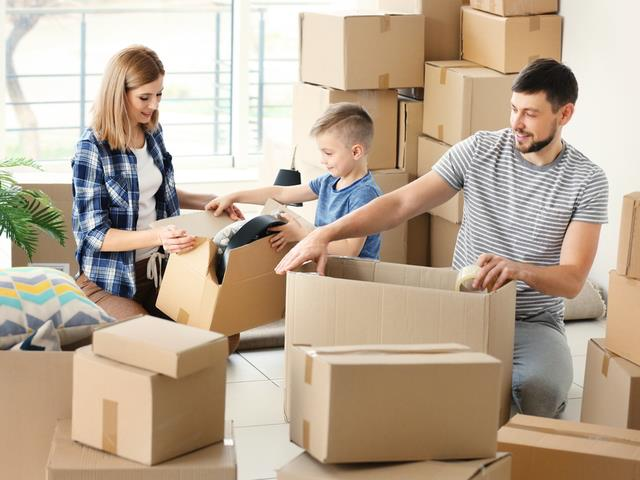
The kitchen is one of the most challenging rooms to pack because it contains numerous fragile items that require extra care. Plates, bowls, cups, serving dishes, and fine china can easily crack or break if they are packed incorrectly. Replacing damaged dinnerware can be costly, especially if you own complete matching sets or sentimental family pieces. Choosing Flyttfirma i Sverige can help make your relocation more organized while you focus on protecting your valuable kitchenware throughout the moving process.
Unlike many household items, dishes and dinnerware are both fragile and heavy. Proper packing techniques not only protect them from damage but also make lifting and transporting boxes much safer. By using the right materials and following a systematic packing method, you can greatly reduce the risk of broken dishes during your move.
Whether you’re relocating a small apartment or a large family home, taking extra time to pack your kitchen properly will make unpacking easier and help preserve your favorite dishes for years to come.
Gather Quality Packing Supplies
Before packing your dishes, prepare all the necessary materials.
You’ll need:
- Sturdy moving boxes
- Packing paper
- Bubble wrap
- Packing tape
- Dish divider boxes
- Permanent markers
Strong packing materials provide better protection throughout the move.
Sort Kitchen Items
Separate your kitchenware into categories.
Examples include:
- Dinner plates
- Salad plates
- Bowls
- Coffee mugs
- Glass serving dishes
- Fine china
Packing similar items together improves organization.
Reinforce Every Box
Because dishes are heavy, strengthen the bottom of each box using several layers of packing tape.
A reinforced box is less likely to collapse while being carried.
Wrap Each Dish Individually
Every plate and bowl should be wrapped separately with packing paper.
For delicate or expensive pieces, add an extra layer of bubble wrap.
Individual wrapping helps prevent direct contact between dishes.
Stack Plates Vertically
Instead of laying plates flat, place them vertically inside the box.
This position distributes pressure more evenly and helps reduce the chance of breakage during transportation.
Cushion the Bottom of the Box
Before placing dishes inside, add a thick layer of cushioning.
Use:
- Crumpled packing paper
- Bubble wrap
- Foam sheets
This creates a protective base for your dinnerware.
Fill Empty Spaces
Once the dishes are packed, fill all remaining gaps with:
- Packing paper
- Soft towels
- Bubble wrap
Keeping everything tightly packed prevents movement inside the box.
Pack Bowls Carefully
Nest bowls together only after wrapping each one individually.
Avoid stacking too many bowls in one pile to reduce pressure on the bottom pieces.
Protect Cups and Mugs
Wrap each cup or mug separately.
Pay extra attention to handles, as they are especially vulnerable to breaking.
Place mugs upright whenever possible.
Label Boxes Clearly
Write clear labels on every box.
Examples include:
- Kitchen
- Fragile
- Dishes
- This Side Up
Proper labeling reminds everyone to handle the boxes with care.
Avoid Overloading Boxes
Dishes become very heavy when packed together.
Use several smaller boxes instead of one oversized container.
Smaller boxes are easier to carry and safer during transportation.
Load Boxes Carefully
Inside the moving truck, place dish boxes on a flat surface.
Avoid stacking heavy furniture or appliances on top of them.
Keeping boxes stable helps prevent unnecessary damage.
Unpack One Box at a Time
After arriving at your new home, unpack kitchen boxes gradually.
Inspect each dish before placing it into your cabinets.
Careful unpacking helps you identify any damage immediately.
Wash Before Storing
Even properly packed dishes may collect dust during the move.
Wash everything before placing it into your kitchen cabinets.
This ensures your dinnerware is clean and ready to use.
Store Fine China Safely
Place valuable china and decorative dishes in secure cabinets.
Avoid overcrowding shelves to reduce the risk of accidental damage later.
Common Packing Mistakes
Avoid these common mistakes:
- Wrapping multiple dishes together.
- Using weak boxes.
- Overloading containers.
- Leaving empty spaces inside boxes.
- Forgetting to label fragile items.
- Placing heavy objects on top of dish boxes.
Proper packing techniques greatly reduce the chance of breakage.
Frequently Asked Questions
Should plates be packed flat or upright?
Packing plates vertically generally provides better protection during transportation.
What’s the best material for wrapping dishes?
Packing paper is ideal, while bubble wrap provides extra protection for delicate or valuable pieces.
How can I prevent dishes from moving inside the box?
Fill all empty spaces with packing paper or soft cushioning materials.
Should fine china be packed separately?
Yes. Valuable china should receive additional wrapping and should not be packed together with everyday dishes.
Final Thoughts
Packing kitchen dishes properly requires patience and careful attention, but the effort is well worth it. By wrapping every item individually, reinforcing boxes, stacking plates correctly, and filling empty spaces with protective materials, you can significantly reduce the risk of damage during your move.
Whether your kitchen contains everyday dinnerware or treasured family heirlooms, thoughtful preparation helps ensure everything arrives safely at your new home. Taking the time to pack carefully today will make unpacking easier tomorrow and allow you to enjoy your kitchen with confidence from the very first meal.