
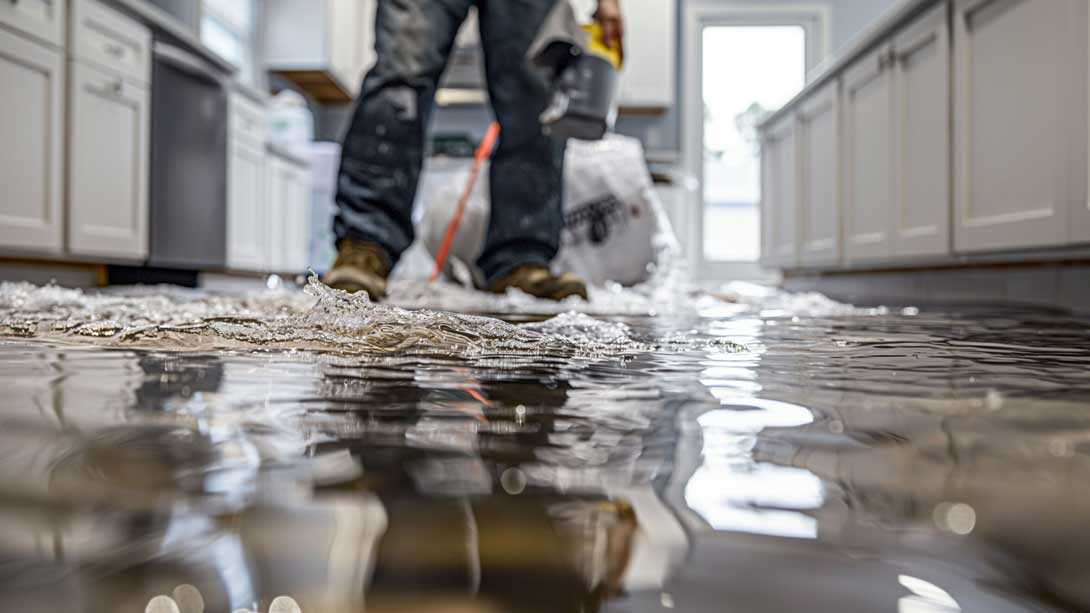
Water emergencies can strike suddenly and without warning, leaving homes and businesses vulnerable to severe damage. Floods, burst pipes, heavy rain, or malfunctioning appliances can quickly escalate if not addressed promptly. Understanding effective water removal techniques during these critical moments is essential for minimizing property damage and ensuring safety. This article provides a comprehensive guide to fast water removal solutions for emergency situations.
Understanding the Urgency of Water Removal
When water begins to accumulate, every minute counts. Standing water can seep into flooring, walls, and furniture, causing structural damage, mold growth, and health hazards. Quick action can significantly reduce the long-term consequences and save on costly repairs. The first step in any emergency situation is assessing the source and severity of the water intrusion. Identifying whether the water is clean, gray, or black water is crucial, as it determines the necessary safety precautions and the type of water removal approach to implement.
Safety First During Water Emergencies
Before attempting any water removal, prioritize safety. Ensure that electricity is turned off in affected areas to prevent electrocution. Wear protective gear such as gloves, boots, and masks, especially when dealing with contaminated water. In cases of severe flooding, avoid entering deep or fast-moving water, as it can be dangerous and unpredictable. Safety protocols are vital not only for personal protection but also for preventing further damage to property during emergency water removal.
Immediate Steps for Fast Water Removal
Fast action is critical in emergency situations. Start by removing valuable items and personal belongings from the affected area to minimize damage. Use towels, mops, or buckets to start removing smaller amounts of water manually. This initial step may not eliminate all water, but it helps prevent immediate absorption into floors and furniture. For larger volumes of water, specialized water removal equipment is necessary.
Using Professional Water Removal Equipment
Emergency water situations often require advanced tools to expedite the water removal process. Wet/dry vacuums, submersible pumps, and high-capacity water extractors are highly effective for rapidly removing large amounts of water. These tools not only speed up the process but also reduce the risk of secondary damage such as mold growth. High-powered fans and dehumidifiers can further assist in drying affected areas, ensuring that moisture does not linger in walls, floors, or ceilings.
Hiring Professional Water Removal Services
In severe cases, DIY methods may not be sufficient. Professional water removal services are equipped with industrial-grade machinery and trained personnel to handle emergencies efficiently. They can quickly assess the damage, remove standing water, and implement drying techniques that prevent further structural or mold damage. Hiring experts can be especially critical for commercial properties or large-scale flooding where rapid response is essential to business continuity.
Prioritizing Areas for Water Removal
When dealing with emergencies, prioritize areas most at risk. Basements, electrical panels, and structural supports should be addressed first, as water damage in these areas can compromise safety and lead to costly repairs. High-traffic living areas, bedrooms, and kitchens should follow, focusing on items that are most valuable or susceptible to water damage. Effective prioritization ensures that water removal efforts are targeted and efficient.
Preventing Mold and Secondary Damage
One of the most dangerous consequences of delayed water removal is mold growth. Mold can begin to develop within 24 to 48 hours of water exposure. Fast water removal combined with proper drying techniques is essential to prevent this. Use fans, dehumidifiers, and proper ventilation to remove residual moisture. Cleaning and disinfecting affected surfaces also reduces the risk of microbial growth, ensuring a safer and healthier environment after the emergency.
The Role of Quick Decision-Making
During emergency water situations, hesitation can worsen damage. Quick, decisive actions—such as calling professionals, starting water extraction, and protecting valuables—are critical for minimizing property loss. Having a pre-planned emergency response strategy can make a significant difference. Keep a checklist of emergency contacts, equipment, and safety procedures ready for immediate use. Preparedness accelerates water removal and mitigates panic during crises.
Cost-Effective Measures in Emergency Water Removal
Fast water removal may seem expensive due to equipment rental or professional services, but early intervention saves money in the long run. Delaying response increases the risk of structural repairs, mold remediation, and replacement of damaged belongings. Investing in timely water extraction and proper drying reduces repair costs and preserves the integrity of your property. Preventative measures, such as maintaining plumbing systems and installing sump pumps, also provide long-term savings by reducing the likelihood of severe emergencies.
Leveraging Technology for Efficient Water Removal
Modern technology has enhanced emergency water removal capabilities. Moisture sensors, thermal imaging cameras, and industrial-grade dehumidifiers allow for precise detection of water infiltration and accelerated drying. These tools help identify hidden moisture in walls, ceilings, and floors, ensuring that no residual water is left behind. Technology-driven solutions streamline the water removal process and reduce the chances of lingering damage.
Preparing for Future Emergencies
After successfully managing a water emergency, it is important to assess the situation and implement preventive measures. Inspect your home or business for vulnerabilities, such as cracks in foundations, faulty plumbing, or inadequate drainage systems. Installing sump pumps, backflow valves, and water alarms can provide early warnings and reduce response time in future incidents. Preparedness enhances resilience, making water removal more efficient in any subsequent emergencies.
Conclusion
Emergency water situations demand immediate attention and effective water removal strategies. Prioritizing safety, using the right equipment, and knowing when to call professionals are key to mitigating damage. Fast action not only prevents structural and health hazards but also reduces long-term repair costs. By combining quick response with preventive measures, property owners can handle water emergencies efficiently and protect their investments.
Fast water removal solutions are not just about removing water—they are about safeguarding health, property, and peace of mind. Being prepared, acting swiftly, and leveraging the right tools and expertise ensures that even in the face of sudden flooding, the impact on your home or business is minimized.