
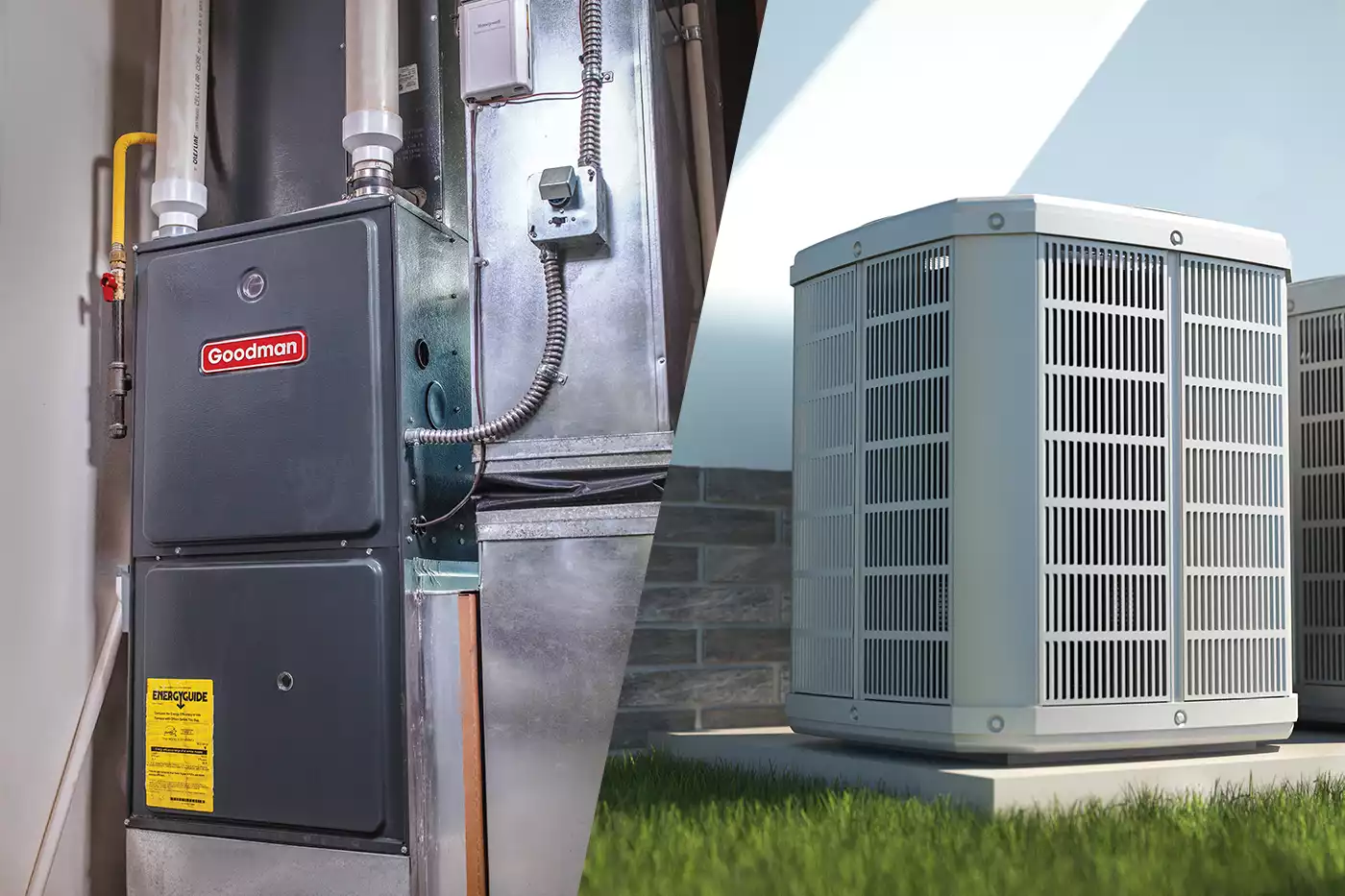
As energy costs continue to rise and homeowners look for ways to reduce their carbon footprint, efficient heating and cooling solutions have become a top priority. One technology gaining significant attention is propane heat pumps, which offer an effective way to maintain indoor comfort while improving energy efficiency. Unlike traditional heating systems that rely solely on electricity or fossil fuels, propane heat pumps combine innovative technology with the clean-burning benefits of propane, creating a versatile and eco-friendly solution.
Understanding Propane Heat Pumps
A propane heat pump is a heating and cooling system that transfers heat rather than generating it directly, which allows it to operate more efficiently than conventional furnaces or air conditioners. During the winter, the system extracts heat from the outdoor air and transfers it inside the home. In the summer, it reverses the process, removing heat from indoor air and releasing it outside. The key difference between propane heat pumps and standard electric heat pumps is the use of propane as a supplemental or primary energy source, which improves performance in colder climates and reduces overall energy consumption.
Energy Efficiency Benefits
One of the most compelling advantages of propane heat pumps is their energy efficiency. Traditional electric heating systems can be costly to operate because they rely on consuming large amounts of electricity to generate heat. Propane heat pumps, on the other hand, leverage propane’s high energy content to provide supplemental heating when outdoor temperatures drop, which reduces the workload on the electric components. This combination allows homeowners to achieve significant savings on their energy bills while still enjoying consistent indoor comfort.
Moreover, propane heat pumps often have higher Seasonal Energy Efficiency Ratios (SEER) and Heating Seasonal Performance Factors (HSPF) compared to conventional systems. These ratings indicate how efficiently a system operates throughout the heating and cooling seasons. A higher SEER and HSPF mean that the system uses less energy to maintain desired temperatures, translating into lower monthly utility costs.
Performance in Cold Climates
One limitation of standard electric heat pumps is that their efficiency drops in extremely cold weather, sometimes requiring an auxiliary electric heater that consumes additional electricity. Propane heat pumps overcome this challenge by using propane as a backup energy source, ensuring that the system can maintain high efficiency even in sub-zero temperatures. The ability to rely on propane for supplemental heating means homeowners don’t have to compromise on comfort, and the system can operate without large spikes in energy consumption.
Additionally, propane heat pumps are designed to modulate their output based on real-time temperature needs. Instead of turning on and off at full capacity, they adjust their performance to match the home’s heating or cooling demands. This feature not only increases comfort but also minimizes wasted energy, further enhancing overall efficiency.
Environmental Advantages
In addition to lowering energy bills, propane heat pumps contribute to environmental sustainability. Propane is a clean-burning fuel, producing fewer greenhouse gas emissions than other fossil fuels. When used in a heat pump system, it reduces the reliance on electricity generated from coal or natural gas, which often have higher carbon footprints. For environmentally conscious homeowners, this means a heating and cooling solution that aligns with their goals of reducing household emissions.
Many propane heat pump models also integrate with smart home technology, allowing users to monitor and control energy usage more effectively. This feature enables homeowners to schedule heating and cooling cycles, optimize temperature settings, and reduce unnecessary energy consumption—all of which contribute to a smaller environmental impact.
Cost Savings Over Time
Although the initial installation of a propane heat pump can be higher than that of a traditional furnace or central air system, the long-term savings often justify the investment. By combining electricity and propane efficiently, these systems can reduce overall energy costs by up to 30% compared to conventional electric-only heating systems.
Furthermore, propane heat pumps are durable and require less maintenance than some traditional systems. Propane burns cleanly, which means fewer residues and deposits that can degrade system components. As a result, homeowners may experience fewer repair needs and longer equipment lifespan, contributing to additional financial savings over time.
Versatility and Comfort
Another advantage of propane heat pumps is their versatility. These systems can be installed in various home types, including single-family houses, townhomes, and even multi-unit buildings. They are compatible with existing ductwork in many homes, making retrofits simpler and more cost-effective.
In terms of comfort, propane heat pumps provide consistent heating and cooling without the sudden temperature swings often experienced with conventional systems. The modulating operation ensures that the home remains at an even temperature, and the quick response of the system allows for rapid adjustment to outdoor weather changes. Homeowners benefit from a comfortable living environment year-round without sacrificing energy efficiency.
Integration with Renewable Energy
Propane heat pumps can also work in tandem with renewable energy sources, such as solar panels. By combining solar-generated electricity with propane backup heating, homeowners can further reduce reliance on grid electricity, lower energy bills, and minimize their environmental footprint. This hybrid approach creates a highly efficient, resilient system that ensures comfort and reliability in all seasons.
Moreover, using propane as a supplemental energy source reduces the need for large battery storage systems, which can be costly and space-intensive. This makes propane heat pumps a practical solution for homeowners looking to adopt renewable energy without significant infrastructure changes.
Making the Transition
For homeowners considering upgrading to a propane heat pump, it’s essential to work with a qualified installer who can assess the home’s heating and cooling needs and determine the most efficient system size. Proper installation ensures that the heat pump operates at peak efficiency, maximizing energy savings and comfort.
Additionally, local and federal incentives for energy-efficient heating systems may be available, helping offset the initial installation costs. Some programs provide rebates for propane-powered systems, further encouraging homeowners to adopt this environmentally friendly technology.
Conclusion
Propane heat pumps represent a significant advancement in home heating and cooling technology. By combining the efficiency of heat transfer with the clean-burning benefits of propane, these systems provide homeowners with a reliable, energy-efficient, and environmentally conscious solution. They offer consistent comfort in all seasons, reduce energy bills, perform well in cold climates, and integrate seamlessly with renewable energy sources.
As energy efficiency becomes an increasingly important consideration for homeowners, propane heat pumps stand out as a practical and sustainable choice. Investing in this technology not only enhances indoor comfort but also contributes to long-term cost savings and a smaller carbon footprint, making it a win-win for both homeowners and the environment.
Switching to a propane heat pump is more than an upgrade—it’s a step toward a smarter, cleaner, and more energy-efficient home.