
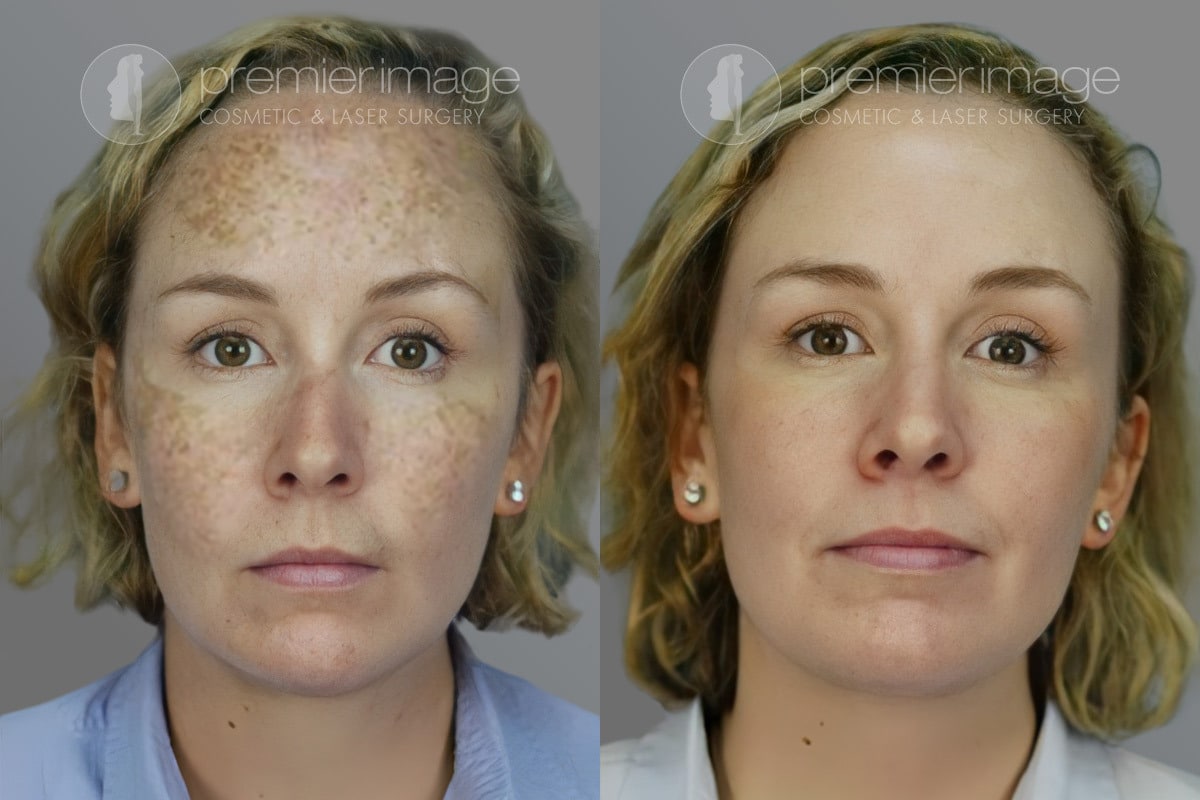
Understanding Laser Skin Resurfacing
Laser Skin Resurfacing is a modern cosmetic dermatology procedure designed to improve skin texture, reduce visible signs of aging, and treat various skin imperfections. It works by using concentrated beams of light to remove damaged outer layers of skin while stimulating collagen production in deeper layers. This process helps reveal fresher, healthier, and more youthful-looking skin underneath.
People choose Laser Skin Resurfacing to address concerns such as fine lines, wrinkles, acne scars, sun damage, uneven pigmentation, and rough skin texture. Unlike topical treatments that work slowly and superficially, this procedure targets skin at a deeper level, making results more noticeable and long-lasting.
Over the years, Laser Skin Resurfacing has evolved significantly, becoming safer and more customizable. Today’s advanced laser systems allow dermatologists to adjust intensity based on skin type, concern severity, and desired recovery time, making it suitable for a wider range of individuals.
How Laser Skin Resurfacing Works
The science behind Laser Skin Resurfacing is based on controlled skin injury and regeneration. The laser emits precise wavelengths of light that remove thin layers of skin or heat the underlying tissue without damaging surrounding areas.
There are two main types of Laser Skin Resurfacing treatments: ablative and non-ablative.
Ablative Laser Skin Resurfacing removes the outer layers of the skin entirely. It is more intensive but delivers dramatic results, especially for deep wrinkles, scars, and significant sun damage. Recovery time is longer, but the skin renewal effect is stronger.
Non-ablative Laser Skin Resurfacing, on the other hand, works beneath the surface without removing skin layers. It stimulates collagen growth gradually, making it less invasive with minimal downtime. This option is often preferred for mild to moderate skin concerns.
Both methods encourage the body’s natural healing response. As new skin cells form, the treated area becomes smoother, firmer, and more even-toned.
Benefits of Laser Skin Resurfacing
One of the main reasons Laser Skin Resurfacing is so popular is its wide range of benefits. It is not limited to one skin issue but can improve multiple concerns at once.
A major advantage is wrinkle reduction. By stimulating collagen production, Laser Skin Resurfacing helps soften fine lines around the eyes, mouth, and forehead. Over time, skin appears tighter and more elastic.
Another key benefit is scar improvement. Acne scars and surgical scars can be significantly reduced in appearance as the laser remodels damaged skin tissue. This creates a more even skin surface.
Laser Skin Resurfacing also enhances skin tone and pigmentation. Sunspots, age spots, and uneven coloration can fade, giving the skin a brighter and more uniform appearance.
In addition, the procedure improves overall skin texture. Rough or dull skin becomes smoother and more refined, which is often one of the most noticeable changes after treatment.
What to Expect During the Procedure
Before undergoing Laser Skin Resurfacing, a consultation with a qualified skin specialist is necessary. The professional evaluates skin type, concerns, and medical history to determine the most suitable treatment plan.
During the procedure, the skin is usually cleansed, and a numbing cream or local anesthetic may be applied to minimize discomfort. The laser device is then moved across the targeted areas, delivering controlled pulses of light.
Patients often describe the sensation as mild heat or a snapping feeling against the skin. The duration of Laser Skin Resurfacing depends on the size of the treatment area, ranging from a few minutes for small regions to over an hour for full-face procedures.
After the session, the skin may appear red, swollen, or slightly sensitive, similar to a sunburn. This is a normal part of the healing process.
Recovery and Aftercare
Recovery after Laser Skin Resurfacing varies depending on the intensity of the treatment. Ablative procedures typically require one to two weeks of downtime, while non-ablative treatments allow quicker recovery.
During healing, the skin may peel or flake as new layers form. It is essential to keep the skin moisturized and protected during this period. Gentle skincare products are recommended, and direct sun exposure should be avoided.
Sun protection plays a crucial role in maintaining results after Laser Skin Resurfacing. Using sunscreen daily helps prevent pigmentation issues and protects the newly revealed skin from damage.
Most patients notice visible improvement within a week or two, but collagen remodeling continues for several months, enhancing results over time.
Who Is a Good Candidate for Laser Skin Resurfacing
Laser Skin Resurfacing is suitable for individuals who want to improve skin texture, reduce aging signs, or address pigmentation issues. However, not everyone is an ideal candidate.
People with light to medium skin tones typically respond best to treatment, although newer technologies have expanded options for darker skin types as well. Individuals with active acne, skin infections, or certain medical conditions may need to postpone or avoid the procedure.
It is also important for candidates to have realistic expectations. While Laser Skin Resurfacing can significantly improve skin appearance, it does not stop the natural aging process.
A consultation with a dermatologist ensures the treatment is safe and appropriate for each individual’s needs.
Possible Risks and Side Effects
Like any cosmetic procedure, Laser Skin Resurfacing carries some risks. Common side effects include redness, swelling, itching, and temporary sensitivity. These usually subside within a few days or weeks.
In rare cases, there may be changes in skin pigmentation, especially if post-treatment care instructions are not followed properly. Infection or scarring is uncommon but possible if the skin is not cared for correctly during recovery.
Choosing an experienced practitioner greatly reduces the risk of complications and improves overall results.
Long-Term Results and Maintenance
One of the most appealing aspects of Laser Skin Resurfacing is its long-lasting effects. Once the skin heals and regenerates, improvements in texture, tone, and firmness can last for years.
However, natural aging continues, so maintenance treatments may be recommended over time. Some patients opt for periodic non-ablative sessions to preserve their youthful appearance.
A consistent skincare routine also helps extend results. This includes moisturizing, sun protection, and using dermatologist-recommended products that support skin health.
Final Thoughts on Laser Skin Resurfacing
Laser Skin Resurfacing is one of the most effective cosmetic treatments for achieving smoother, younger-looking skin. By targeting multiple skin concerns in a single procedure, it offers a powerful solution for those seeking visible and lasting improvement.
Whether addressing wrinkles, scars, pigmentation, or general skin dullness, Laser Skin Resurfacing provides a scientifically backed approach to skin rejuvenation. With proper care, realistic expectations, and professional guidance, it can deliver transformative results that enhance both appearance and confidence.