
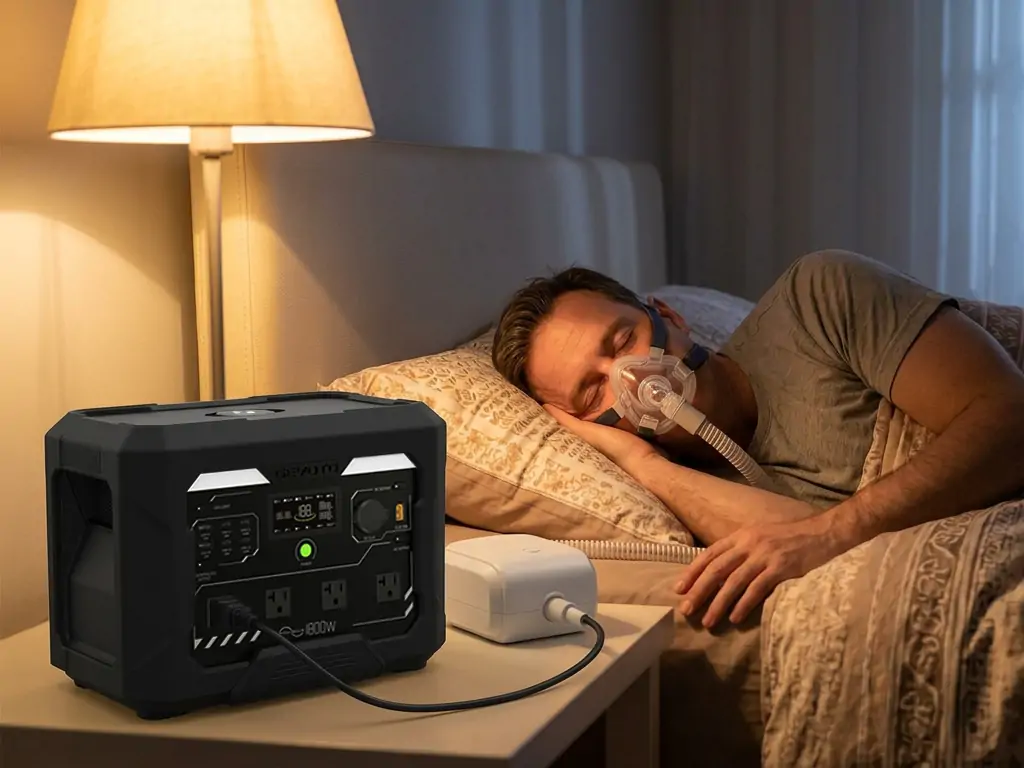
Why a CPAP Backup for Power Outages Is Important
For millions of people who rely on continuous positive airway pressure (CPAP) machines, a stable power supply is essential for maintaining healthy sleep and breathing patterns. A sudden electricity failure can interrupt therapy and create discomfort, especially for individuals with sleep apnea who depend on their devices every night. Having a reliable CPAP backup for power outages ensures that your treatment continues even when the main electrical grid is unavailable.
Power outages can happen because of severe weather, hurricanes, storms, equipment failures, natural disasters, or unexpected electrical problems. During these situations, a CPAP backup solution provides peace of mind by keeping your machine running when you need it most. Preparing ahead of time can prevent disrupted sleep and help protect your overall health.
How Power Outages Affect CPAP Users
A CPAP machine works by delivering a steady stream of pressurized air through a mask to keep the airway open during sleep. When the power goes out, the machine immediately stops working unless it has an alternative energy source. For people with moderate or severe sleep apnea, even one night without therapy may lead to poor sleep quality, daytime fatigue, headaches, and breathing interruptions.
A CPAP backup for power outages is designed to provide emergency energy for CPAP devices during situations where traditional electricity is not available. These backup options allow users to continue their therapy at home, while traveling, or during emergency conditions.
Many modern CPAP machines are energy-efficient and can operate with specially designed battery systems or portable power stations. Choosing the right backup solution depends on your machine model, required runtime, and personal emergency needs.
Types of CPAP Backup Power Solutions
Portable CPAP Batteries
Portable CPAP batteries are one of the most common solutions for maintaining sleep therapy during an outage. These rechargeable batteries are specifically designed to power CPAP machines without access to a wall outlet. They are lightweight, easy to carry, and useful for home emergencies as well as camping or travel.
The runtime of a CPAP battery depends on several factors, including battery capacity, pressure settings, humidifier usage, and machine model. Some batteries can provide power for one night, while larger-capacity options may support multiple nights.
When selecting a battery, users should check compatibility with their specific CPAP device. A reliable CPAP backup for power outages should provide enough energy to support uninterrupted therapy throughout the night.
Portable Power Stations
Portable power stations are another effective backup option. These devices contain large rechargeable batteries and multiple output ports, allowing users to power CPAP machines along with other essential electronics. They are especially useful during extended power failures.
A portable power station can often be charged through a wall outlet before an outage, a vehicle, or solar panels. This makes it a flexible choice for emergency preparedness. Some models provide pure sine wave power, which is recommended for sensitive medical equipment because it delivers cleaner and more stable electricity.
For households that experience frequent outages, investing in a portable power station can provide additional benefits beyond CPAP support, including charging phones, powering lights, and running small essential devices.
Solar Charging Options
Solar charging can extend the usability of a CPAP backup system during long emergencies. Portable solar panels can recharge compatible batteries and power stations when electricity is unavailable for several days.
This option is particularly useful during hurricanes, remote travel, or disaster situations where restoring electricity may take longer than expected. A solar-compatible CPAP backup for power outages provides an extra layer of independence by allowing users to generate power from sunlight.
Factors to Consider When Choosing a CPAP Backup
Battery Capacity and Runtime
The most important factor when choosing a backup system is determining how long it can power your CPAP machine. Battery capacity is usually measured in watt-hours (Wh). Higher watt-hour ratings generally mean longer operating times.
Before purchasing a backup device, calculate your CPAP machine’s power requirements. Consider whether you use additional features such as heated humidifiers or heated tubing because these can significantly increase energy consumption.
CPAP Machine Compatibility
Not all backup batteries and power stations work with every CPAP model. Always confirm that the backup system supports your device’s voltage and connector requirements.
Many CPAP manufacturers provide recommendations for compatible batteries and power solutions. Checking these details before buying prevents problems during an actual emergency.
Portability and Ease of Use
A good backup system should be easy to transport and operate. If you travel frequently, a lightweight battery may be more practical. For home emergency preparation, a larger power station with more capacity may be a better choice.
Simple controls, clear battery indicators, and multiple charging options can make a backup device easier to manage during stressful situations.
Tips for Preparing Your CPAP Backup System
Being prepared before a power outage occurs is essential. Keep your backup battery or power station fully charged and test it regularly to ensure it works correctly. Store necessary cables, adapters, and accessories in one location so they are easy to find during emergencies.
It is also helpful to create an emergency plan that includes your CPAP equipment. If you live in an area affected by storms or hurricanes, having multiple charging options can improve reliability.
Users should also check battery health over time. Rechargeable batteries naturally lose capacity as they age, so replacing older batteries when necessary ensures dependable performance.
Using a CPAP During Extended Emergencies
During long-term outages, energy conservation becomes important. Turning off unnecessary CPAP features, such as heated humidifiers when possible, can extend battery life. Many users can continue receiving therapy while reducing power consumption by adjusting settings according to their needs.
Always follow your healthcare provider’s recommendations when making changes to your CPAP routine. A backup system is designed to maintain therapy, not replace professional medical guidance.
Emergency preparedness is especially important for individuals who depend on nightly CPAP treatment. A dependable CPAP backup for power outages allows users to maintain their normal sleep routine even when unexpected challenges occur.
Final Thoughts on CPAP Backup Planning
A power outage should not prevent CPAP users from receiving the therapy they need. Whether you choose a portable battery, power station, or solar charging system, having an emergency power solution provides confidence and protection.
The best CPAP backup for power outages depends on your specific machine, energy needs, lifestyle, and emergency conditions in your area. By preparing in advance, testing your equipment, and selecting a reliable backup option, you can ensure uninterrupted sleep therapy whenever the power goes out.