
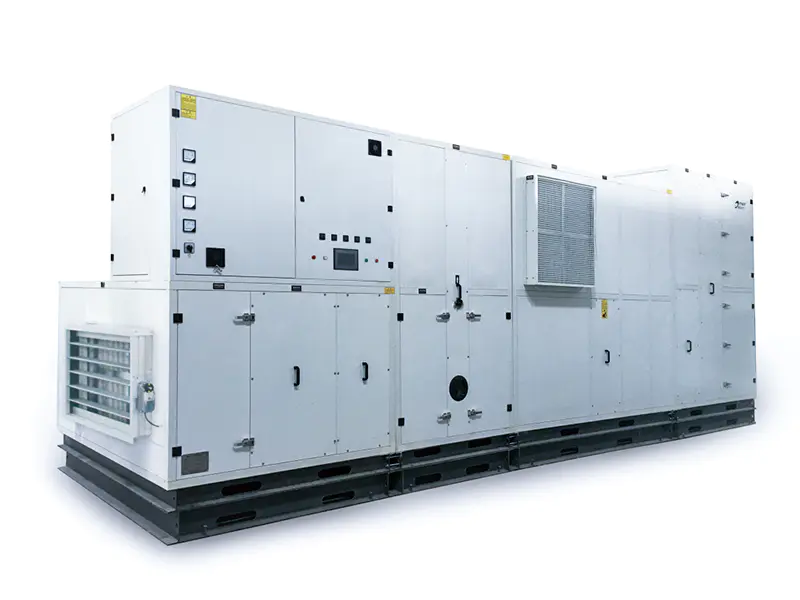
Maintaining optimal conditions in battery storage rooms is essential for ensuring the longevity and safety of lithium batteries. One of the most critical factors in these environments is humidity control. Excess moisture can lead to corrosion, reduced battery performance, and even safety hazards such as short circuits or thermal runaway. Implementing an effective lithium battery dehumidification system is key to mitigating these risks and creating a controlled storage environment.
Understanding the Importance of Dehumidification in Battery Storage
Lithium batteries are highly sensitive to moisture. Even small amounts of water vapor can affect the internal chemistry, leading to decreased efficiency and potential safety risks. High humidity levels can accelerate corrosion on battery terminals, connectors, and metal components, compromising both performance and safety. Therefore, investing in proper dehumidification is not optional but essential for reliable battery management.
Battery storage rooms must maintain a controlled relative humidity, typically below 50%, with ideal levels often around 30-40%. Achieving this requires the right combination of equipment, design, and monitoring systems, which makes the role of specialized lithium battery dehumidification dry rooms suppliers crucial.
Selecting the Right Dehumidification Technology
There are several approaches to controlling humidity in battery storage rooms, each with advantages depending on the scale and specific requirements.
Desiccant Dehumidifiers
Desiccant dehumidifiers are highly effective in maintaining very low humidity levels. They work by absorbing moisture from the air using a hygroscopic material, which is then regenerated through heat. These systems are ideal for dry rooms where precise control over humidity is required, especially in large-scale battery storage facilities.
Refrigerant-Based Dehumidifiers
Refrigerant or cooling dehumidifiers operate by cooling air below its dew point, causing water vapor to condense. While effective in moderate humidity conditions, they are less suitable for ultra-low humidity requirements. However, they can be cost-effective and energy-efficient in regions where ambient humidity is not excessively high.
Hybrid Systems
Some battery storage facilities benefit from hybrid systems that combine desiccant and refrigerant-based technologies. These systems allow for precise humidity control while optimizing energy consumption. Choosing the right configuration often requires consultation with experienced lithium battery dehumidification dry rooms suppliers.
Designing a Dehumidified Battery Storage Room
A well-designed storage room is the foundation of effective humidity control. Proper insulation, vapor barriers, and airtight construction are crucial for maintaining consistent humidity levels. Materials used in walls, floors, and ceilings should resist moisture ingress, and HVAC systems should be designed to minimize the introduction of humid air.
Room layout also plays a significant role. Batteries should be arranged to allow adequate airflow around each unit, preventing localized humidity pockets. Incorporating sensors throughout the room helps monitor humidity and temperature in real time, allowing for dynamic adjustments in dehumidification levels.
Importance of Monitoring and Control Systems
Advanced monitoring systems are essential for optimizing dehumidification in battery storage rooms. These systems provide continuous data on temperature, humidity, and air quality, which can be used to adjust dehumidifiers automatically. Integrating these controls with facility management software allows for predictive maintenance, ensuring that systems operate efficiently and battery integrity is maintained.
Alarm systems can be programmed to notify operators if humidity levels exceed safe thresholds, enabling rapid corrective action. This proactive approach reduces the risk of battery damage and enhances overall safety.
Choosing the Right Suppliers
Selecting reliable lithium battery dehumidification dry rooms suppliers is critical. Suppliers with experience in battery storage environments can offer tailored solutions that match room size, battery type, and operational requirements. They can also provide ongoing support, including installation, maintenance, and troubleshooting.
When evaluating suppliers, consider factors such as:
- Expertise in lithium battery storage environments
- Ability to provide custom dry room solutions
- Energy efficiency and operational cost of the dehumidification system
- Availability of service and maintenance support
Working with experienced suppliers ensures that the dehumidification system is both effective and sustainable over the long term.
Maintenance and Operational Best Practices
Even with the best equipment, regular maintenance is necessary to optimize dehumidification performance. Key practices include:
- Routine inspection of dehumidifiers for wear and tear
- Cleaning or replacing filters as needed
- Checking sensors and control systems for accuracy
- Monitoring room humidity levels and adjusting settings seasonally
Staff training is equally important. Personnel should understand the importance of maintaining proper humidity levels and be familiar with emergency procedures in case of system failures. Regular audits can help identify potential issues before they escalate, ensuring a safe and reliable battery storage environment.
Energy Efficiency Considerations
Dehumidification systems can consume significant energy, so optimizing efficiency is crucial. Considerations include:
- Using energy-efficient dehumidifiers with advanced controls
- Implementing heat recovery systems in desiccant-based setups
- Scheduling dehumidifier operation based on occupancy and battery storage activity
- Combining insulation improvements with dehumidification to reduce load
Balancing energy efficiency with performance ensures that battery storage rooms remain safe without excessive operational costs.
Future Trends in Battery Storage Dehumidification
As battery technology advances, the requirements for storage environments are evolving. Emerging trends include:
- Integration of IoT-based monitoring systems for real-time optimization
- Use of AI algorithms to predict and adjust dehumidification needs dynamically
- Modular dehumidification units for flexible storage setups
- Enhanced environmental controls to support next-generation lithium batteries
Suppliers are increasingly offering comprehensive solutions that go beyond basic humidity control, providing fully integrated systems for smart battery storage facilities.
Conclusion
Optimizing dehumidification in battery storage rooms is a multi-faceted challenge that involves careful planning, the right technology, and expert support. By selecting appropriate dehumidification methods, designing well-constructed storage rooms, and partnering with reliable lithium battery dehumidification dry rooms suppliers, operators can ensure battery safety, extend lifespan, and maintain operational efficiency.
Proper monitoring, maintenance, and energy management further enhance performance, making dehumidification a critical component of modern battery storage management. Investing in high-quality solutions today prevents costly problems tomorrow, supporting both safety and sustainability in the growing energy storage industry.